Introduction
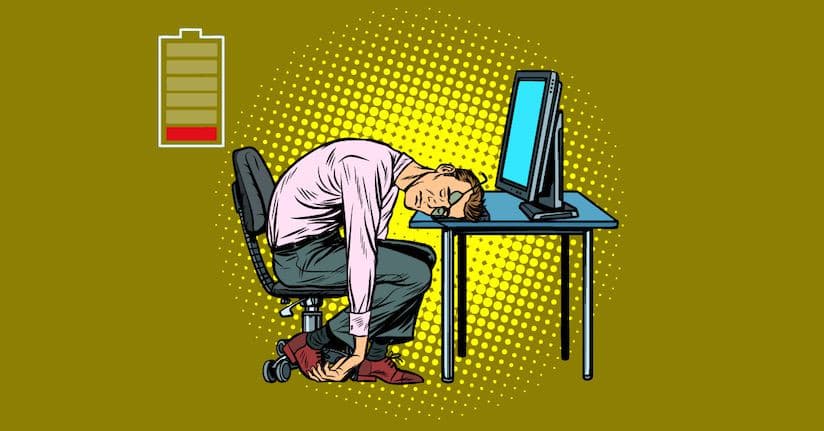
You slept for 8 hours. You did everything right. So why do you feel exhausted before the day has even started? This feeling of being drained despite sufficient rest often stems from poor sleep quality, nutrient deficiencies, or hormonal imbalances that interfere with cellular energy production. If you are always tired after eight hours of sleep, natural supplements like vitamin B12, iron, and ashwagandha can help restore your energy by addressing these underlying issues. These targeted solutions bridge the gap between sleep duration and actual recovery. You woke up at 7:00 AM after hitting your eight hour goal, yet by late morning, you are already reaching for a third cup of coffee. This paradox is a common struggle for high performers who prioritize rest but fail to achieve true recovery. When the duration of your sleep does not match the depth of your energy, the issue often lies within cellular efficiency rather than just a lack of hours. Persistent fatigue despite a full night of rest suggests your body is missing the critical building blocks needed for mitochondrial function and hormonal balance. In this guide, we analyse the biological root causes of your exhaustion and identify the essential vitamins and natural supplements that bridge these gaps.
The Paradox of Being Tired But Slept
You followed the rules, set your phone aside, and clocked a full eight hours, yet the morning alarm feels like a physical blow. This frustrating experience is common for people in high pressure environments, where the disconnect between sleep quantity and sleep quality is often profound. While duration is a useful metric, it is not synonymous with restorative sleep. True restoration happens during specific phases of deep and REM sleep where your body repairs cellular damage and regulates hormones. If you are waking up exhausted, your body is failing to reach these critical states. For many people, if you are wondering why you are always tired after eight hours of sleep, natural supplements or lifestyle shifts may provide the answer, but we must first acknowledge that being in bed is not the same as resting. In demanding professional environments, biological gaps often override the clock. You might be getting the hours, but nutritional deficiencies or environmental stressors are sabotaging the quality of your downtime. At RoutineLab, we focus on bridging these gaps through science-backed insights and curated product recommendations to help you move beyond simple duration. The goal is to ensure that every hour spent in bed translates into genuine, cellular energy for the day ahead.
Why You Are Still Tired After 8 Hours of Sleep
Living in a fast-paced world presents a unique set of challenges that compromise sleep architecture. One major factor is the Vitamin D paradox. Despite the abundance of sun in many regions, modern life necessitates a predominantly indoor lifestyle, leading to chronic Vitamin D deficiency among many adults. This deficiency is a primary suspect when you feel always tired after eight hours of sleep; natural supplements and targeted nutrient replenishment are often required to fix the underlying hormonal disruption that low Vitamin D causes. Furthermore, modern social habits often revolve around late-night gatherings and heavy evening meals, which shift the body's internal clock. Even if you stay in bed for the full duration, a late-night dinner forces your digestive system to remain active when it should be resting, fragmenting your REM cycles. This is exacerbated by the constant use of heavy air conditioning or heating. Persistent ambient noise and the resulting dry air can cause micro-awakenings and respiratory irritation, preventing you from reaching the deepest, most restorative stages of sleep. High-pressure professional sectors also keep the nervous system in a sympathetic, or fight-or-flight, mode. Even during sleep, a brain that has not properly decompressed prevents the transition into the parasympathetic state required for cellular repair. At RoutineLab, we analyze these variables through our curated product recommendations to ensure your wellness strategy accounts for the specific realities of modern life.
Biological Root Causes of Persistent Fatigue
While environmental factors play a role, the core of persistent fatigue often lies in disrupted internal rhythms. Cortisol dysregulation is a primary driver for many adults balancing demanding careers. Ideally, cortisol peaks in the early morning to provide alertness and tapers off by evening. However, chronic stress often flips this rhythm, leading to a tired but wired sensation. You may feel exhausted throughout the afternoon but experience a surge of mental energy late at night. This nocturnal cortisol spike prevents the brain from entering the deep, restorative sleep stages required for repair. At a cellular level, mitochondrial dysfunction acts as a silent energy thief. Mitochondria convert nutrients into adenosine triphosphate, or ATP, the body's primary energy currency. When these organelles are sluggish due to oxidative stress or nutrient gaps, your body cannot produce enough energy regardless of how long you sleep. This cellular inefficiency means that when you investigate the reason you are always tired after eight hours of sleep, natural supplements and lifestyle shifts must address the underlying ability of your cells to process fuel. Your metabolic health during the night also dictates how you feel. Late-night dining often involves high-carbohydrate meals that cause blood sugar spikes followed by nocturnal glucose crashes. When blood sugar drops too low during the night, the body releases adrenaline and cortisol to stabilize it, causing micro-awakenings that fragment your sleep. To address these drivers, reviewing our curated product recommendations at RoutineLab can help you identify targeted tools for hormonal and metabolic support.
Essential Vitamins for Persistent Tiredness
For many adults, the reason they remain always tired after eight hours of sleep, which natural supplements and dietary changes often address, is a foundational nutrient deficiency. If the body lacks the elemental building blocks for repair, even a perfect sleep environment cannot bridge the gap. Iron and ferritin levels are common culprits for people aged 25 to 45. Ferritin represents your iron stores; if these are suboptimal, your blood cannot effectively transport oxygen to your brain. You might sleep the full eight hours, but your cells are essentially gasping for air throughout the night. This cellular oxygen deprivation results in mental fog the moment you wake up. Vitamin B12 and Folate are also critical, as they govern nervous system health. A deficiency forces your nervous system to work overtime to maintain basic cognitive functions. This explains why eight hours of rest can feel like four; your brain never truly enters a genuine recovery mode. To facilitate the transition into deep sleep, magnesium is indispensable, particularly Magnesium Glycinate which promotes muscle relaxation and supports the neurotransmitter responsible for calming the nervous system. Identifying these gaps at RoutineLab ensures your body has the vital tools needed to convert time in bed into lasting energy.
Best Natural Supplements for Energy and Fatigue
While addressing foundational vitamins is necessary, optimizing your body's response to stress requires a more targeted approach. If you find yourself always tired after eight hours of sleep, natural supplements known as adaptogens can help recalibrate a nervous system that has been pushed into overdrive. Ashwagandha is particularly effective for adults experiencing the tired but wired phenomenon, as it helps regulate the hypothalamic pituitary adrenal axis to lower evening cortisol. Conversely, Rhodiola Rosea is an excellent tool for those facing demanding workdays; it enhances mental clarity and reduces fatigue without the jitters associated with stimulants. At the cellular level, persistent exhaustion often points back to the mitochondria. Coenzyme Q10 acts as a vital spark plug within these organelles, facilitating the transfer of electrons to produce ATP. As we age or face chronic stress, our natural CoQ10 levels can dip, leading to a state where the body has the time to rest but lacks the machinery to generate power. Supporting this process is a cornerstone of the philosophy at RoutineLab, which prioritizes long-term physiological health over temporary fixes. For those who rely on coffee to get through the afternoon, L-Theanine is a critical addition. This amino acid, naturally found in green tea, promotes a state of calm alertness. When taken with caffeine, it prevents the sharp vasoconstriction and subsequent crash that often leaves you more depleted. Restorative supplements like those found in our curated product recommendations focus on rebuilding your internal reserves, ensuring your energy is sustainable. At RoutineLab we have handpicked the best natural energy supplements available right now.
Find our full curated supplement recommendations on our Recommendations page
The 3-3-3 Rule and Lifestyle Shifts for Better Rest
To bridge the gap between duration and quality, adopting a structured wind-down and wake-up protocol is essential. The 3-3-3 rule offers a streamlined framework specifically tailored to reset a disrupted circadian rhythm within the context of a busy modern lifestyle. 3 Hours Before Bed (Stop Eating): Finish your final meal at least three hours before sleep. Given modern social habits around late-night dining, this shift is critical for metabolic rest. Digestion is an active process that raises core body temperature and triggers insulin responses, both of which interfere with the deep, restorative sleep phases where cellular repair occurs. 30 Minutes Before Bed (No Screens): Eliminate blue light exposure from smartphones and tablets. Blue light suppresses melatonin production, tricking your brain into thinking it is still daytime. Use this window for a focused wind-down routine, such as light stretching or journaling, to signal the nervous system to transition into a parasympathetic state. 3 Minutes of Morning Sun: Exposure to natural light immediately upon waking is the most effective way to reset your internal clock. Even three minutes outside in natural morning light can help regulate cortisol levels. Following these steps addresses the physiological reasons you remain always tired after 8 hours of sleep, which natural supplements alone cannot fully resolve. By aligning your habits with your biology, you provide the necessary foundation for our curated product recommendations to work effectively. At RoutineLab, we advocate for these high-impact lifestyle shifts to ensure your sleep translates into genuine daily energy.
Final Thoughts
Waking up refreshed depends on more than just the hours spent in bed. It requires a balance of quality rest, proper supplementation, and consistent habits. While these tips offer a great starting point, navigating your health journey can sometimes feel overwhelming. If you want expert help finding the most effective solutions for your unique needs, we invite you to view our curated recommendations at RoutineLab for professional guidance. Let us help you turn these insights into a sustainable routine.
Find our full curated supplement recommendations on our Recommendations page