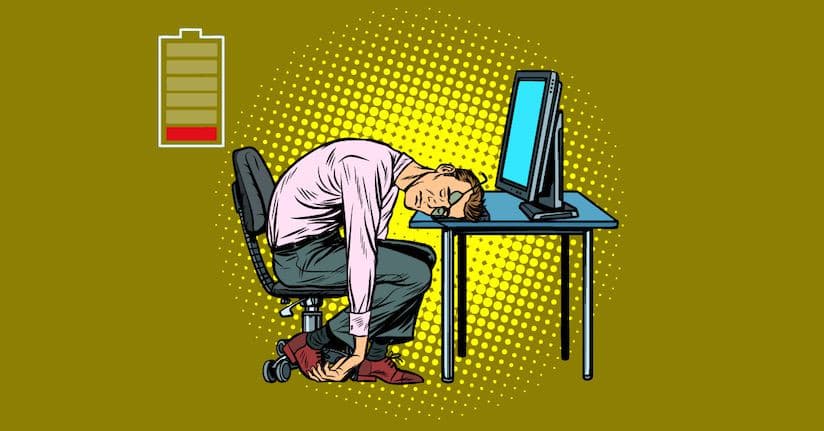
Most sleep advice costs a fortune. Buy a new mattress. Get a smart watch to track your sleep cycles. Invest in a £400 cooling system. Take this premium supplement stack that somehow adds up to £80 a month.
It is exhausting — and not the good kind.
The reality is that most people struggling with sleep do not need an expensive overhaul. They need a few specific changes, made consistently, and maybe one or two affordable products that actually address the root cause. That is what this post is about. No expensive gadgets, no dramatic lifestyle reinvention — just the cheapest and most practical things that genuinely make a difference to how you sleep.
Some of these cost nothing at all.
1. Fix Your Sleep and Wake Time (Free)
This is the single most impactful thing most people can do for their sleep — and it costs absolutely nothing. Your body runs on a circadian rhythm, an internal clock that regulates when you feel sleepy and when you feel alert. When you go to bed and wake up at wildly different times each day, that clock gets confused and your sleep quality suffers as a result.
Pick a wake-up time and stick to it every single day — including weekends. Within two to three weeks, your body adjusts and falling asleep becomes significantly easier. It sounds too simple to work. It works.
2. Cut Caffeine Off Earlier Than You Think (Free)
Most people know caffeine affects sleep. Most people massively underestimate how long it stays in their system. The half-life of caffeine is around five to six hours — which means a coffee at 3pm still has half its caffeine circulating at 9pm. For people who are sensitive to it, even a midday coffee can noticeably affect how quickly they fall asleep and how deep that sleep gets.
Try moving your last caffeine to before midday for two weeks. The difference in sleep quality is often enough to make it permanent.
Why You're Still Tired After 8 Hours of Sleep
3. Make Your Room Colder (Free or Very Cheap)
Your core body temperature naturally drops as you fall asleep — it is part of the biological process of transitioning into rest. A warm room fights against that process. Most sleep researchers point to somewhere between 16 and 19 degrees Celsius as the optimal range for sleep.
If you cannot control your room temperature, a fan is one of the most cost-effective sleep purchases you can make — often under £20, and it doubles as white noise. Open a window before bed. Switch heavy bedding for lighter layers. Small changes to room temperature consistently show up as meaningful improvements to sleep quality.
4. Block Out Light With a Sleep Mask (Under £10)
Temperature is one half of your sleep environment. Light is the other. Even small amounts of light — a streetlamp through thin curtains, a standby light on a TV, early morning sun in summer — signal to your brain that it is time to be awake. Your body cannot fully switch off when there is any light reaching your eyes.
Blackout curtains are the ideal fix but they are not cheap. A sleep mask costs a fraction of the price and does the same job. The Sleep Eye Mask is one of the best rated on Amazon UK — contoured so it does not press against your eyes, comfortable enough to wear all night, and effective enough to make a genuine difference to how quickly you fall into deep sleep. Under £10 and one of the easiest wins on this list.
5. Try Magnesium — One of the Cheapest Sleep Supplements Available (From £10)
Magnesium is genuinely one of the most researched natural sleep aids available, and it is far cheaper than most branded sleep supplements. It works by regulating neurotransmitters that calm the nervous system and supporting the production of melatonin — the hormone that signals to your body that it is time to sleep. Source!
The key is choosing the right form. Magnesium glycinate is the most widely recommended for sleep specifically because it is highly absorbed and gentle on the stomach. Here are three options at different price points that are all well-reviewed on Amazon UK:
Budget option: Magnesium Glycinate 180 Capsules — 3 Month Supply — under £15, 4.5 stars, 1,000+ reviews. A clean, no-frills magnesium glycinate that does exactly what it needs to.
Best value: Magnesium Glycinate Twin Pack — buy two at once and the cost per capsule drops significantly. Good option if you want to commit to at least three to four months.
Comprehensive formula: Bulk Magnesium Glycinate 3-in-1 Complex — combines glycinate, citrate and malate in one capsule. The triple formula supports sleep, muscle relaxation and energy metabolism simultaneously. 2,000+ bought last month which tells you people are finding it worth returning to.
Take it around 30 to 60 minutes before bed. Give it at least four weeks before judging the results — like most supplements, the effect builds over time rather than hitting immediately.
6. Reduce Screen Time Before Bed — But Not in the Way You Think (Free)
The blue light argument gets repeated so often it has become background noise. And while blue light does suppress melatonin, the bigger issue with screens before bed is mental stimulation — scrolling social media, checking emails, watching emotionally engaging content. Your brain stays activated long after you put the phone down.
The practical fix is not necessarily cutting screens entirely — it is changing what you do on them. Reading on a screen with night mode on is significantly less disruptive than scrolling Instagram. A 20 minute wind-down without anything that requires a response or decision is enough to shift your nervous system toward sleep mode.
7. A Dedicated Sleep Supplement (Mid-Range Option)
If you want something more targeted than magnesium alone, a dedicated sleep supplement is the next step up. YU Sleep is the number one ranked sleep supplement on ClickBank with a gravity of 117 — meaning a large number of people are buying it consistently through real recommendations. It is a natural formula designed to help you fall asleep faster, stay asleep longer and wake up without the grogginess that comes with melatonin overdosing.
It sits at a higher price point than plain magnesium, but it is specifically engineered for sleep rather than being a general wellness supplement used for sleep as a secondary benefit.
8. Sort Your Pillow Out (One-Off Cost)
This one gets ignored because people assume their pillow is fine. Often it is not. A pillow that does not properly support your neck and spine keeps your muscles subtly engaged throughout the night trying to compensate — which directly affects how deeply you sleep and how you feel in the morning.
A good memory foam pillow is not expensive and it lasts years, making it one of the best cost-per-use sleep purchases you can make. The Best Memory Foam Pillow is one we recommend — adaptive memory foam that cradles your neck, aligns your spine and reduces the overnight discomfort that quietly ruins sleep quality without you realising it.
9. Build a 20 Minute Wind-Down Routine — With One Affordable Addition (Free + Optional £12)
Your nervous system does not switch from fully alert to deeply asleep on command. It needs a transition. Most people skip this entirely — they are busy until 11pm, then expect to be asleep by 11:05.
A 20 minute wind-down does not need to be elaborate. Dim the lights. Put your phone in another room. Do something low-stimulation — reading a physical book, light stretching, a warm shower. The warm shower is particularly effective because the subsequent drop in body temperature as you cool down afterwards actively triggers sleepiness.
One small addition that genuinely helps: a pillow spray. The This Works Deep Sleep Pillow Spray is a lavender and chamomile blend that has become one of the most consistently recommended sleep products in the UK. It works by pairing a scent with the act of going to bed — over time your brain starts associating that smell with sleep, which speeds up how quickly you switch off. It sounds like a gimmick until you use it consistently for two weeks. At around £15 it is one of the most affordable things on this list with one of the most noticeable effects.
None of this costs much. It just requires the decision to do it consistently.
The Bottom Line
Better sleep does not require an expensive overhaul. The free habits — consistent sleep schedule, earlier caffeine cut-off, cooler room, a proper wind-down — address the root causes that most people are ignoring. Adding a magnesium supplement at £10 to £15 covers the most common nutritional gap affecting sleep quality. A sleep mask under £10 blocks the light that quietly disrupts deep sleep. A pillow spray at around £15 makes your wind-down routine something your brain actually responds to. And if you want to go further, a dedicated sleep supplement and a better pillow take care of the rest.
Start with the free stuff first. Then add one product at a time. The combination of consistent habits and targeted, affordable products is far more effective — and far cheaper — than any expensive sleep gadget or programme.
Browse our full sleep recommendations for everything we suggest across supplements, physical products and programmes.
Disclosure: This post contains affiliate links. If you purchase a product through our link we may earn a commission at no extra cost to you. We only recommend products we have genuinely researched and believe are worth your consideration.
This article is for informational purposes only and does not constitute medical advice. If you have a diagnosed sleep condition please consult a qualified healthcare professional before making changes to your routine or adding supplements.